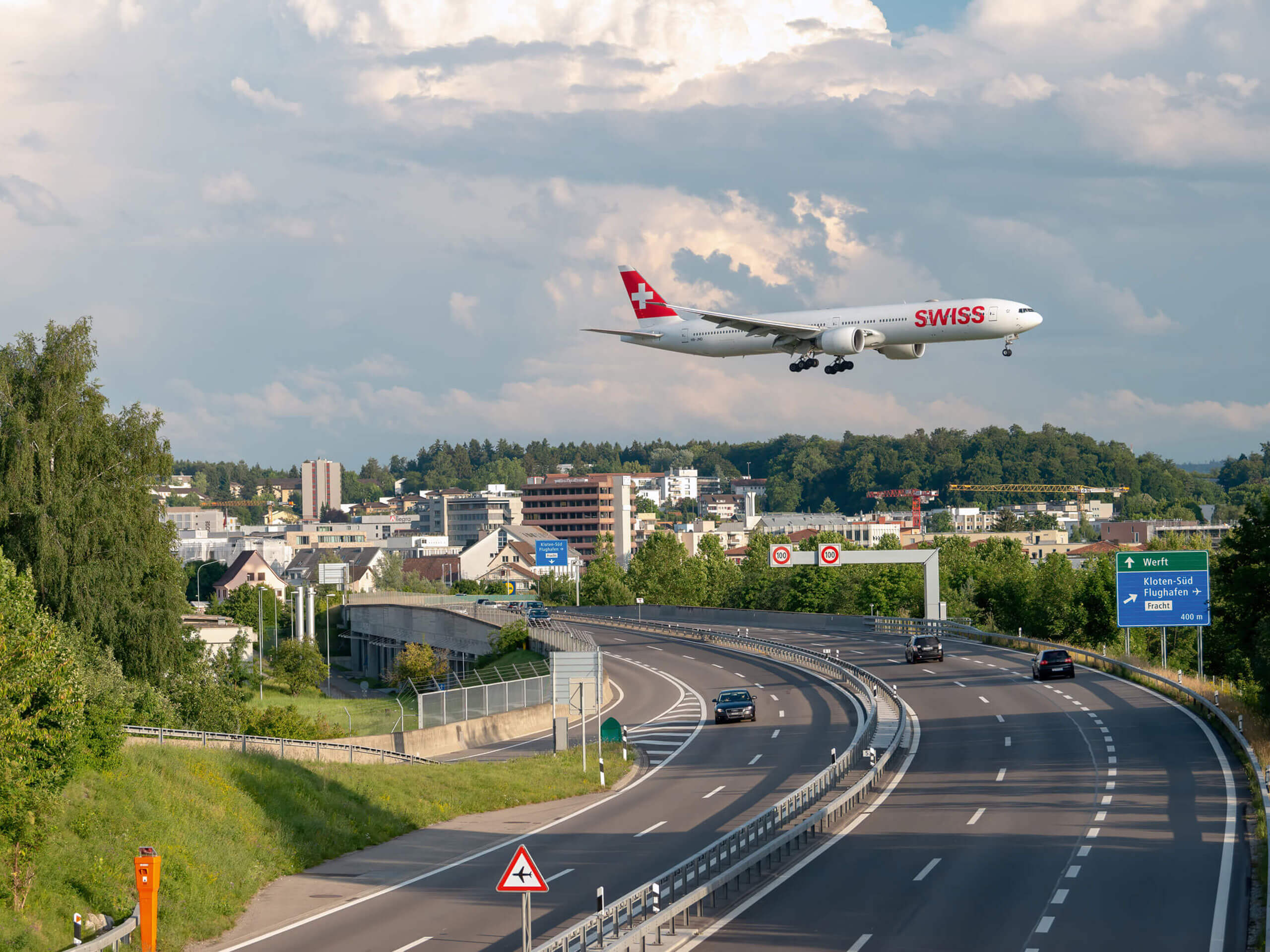
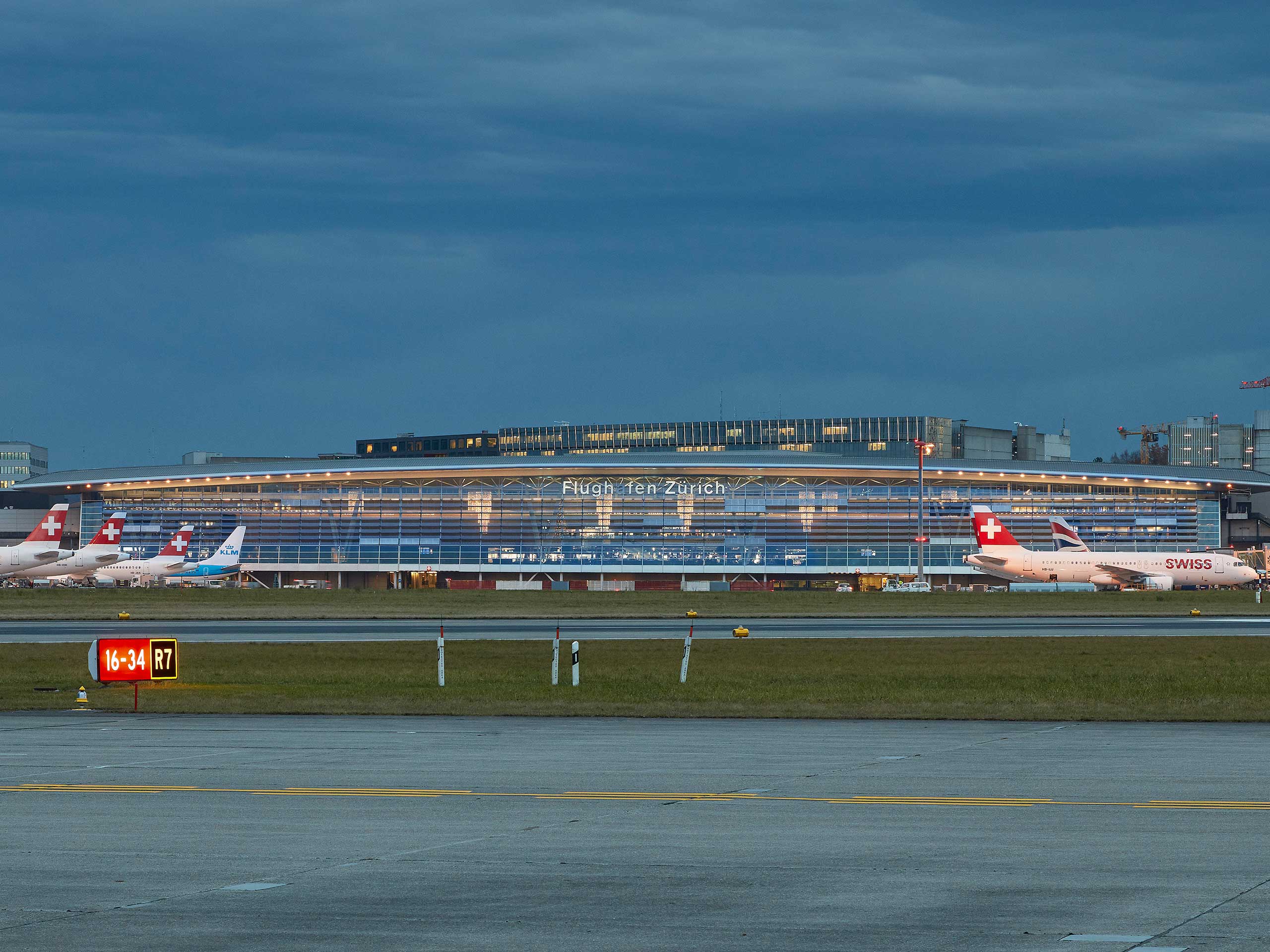
Noise sources at the airport, regulations and noise maps.
Aircraft noise –monitoring using measurements
Noise Sources
When discussing aircraft noise, it is important to distinguish between aircraft noise and other noise sources at the airport. In Switzerland, this distinction is made between aircraft noise and industrial and commercial noise (airport ground noise). The separation is based on different legal frameworks, measurement methods and assessment criteria. Further information can be found on the noise exposure maps page.
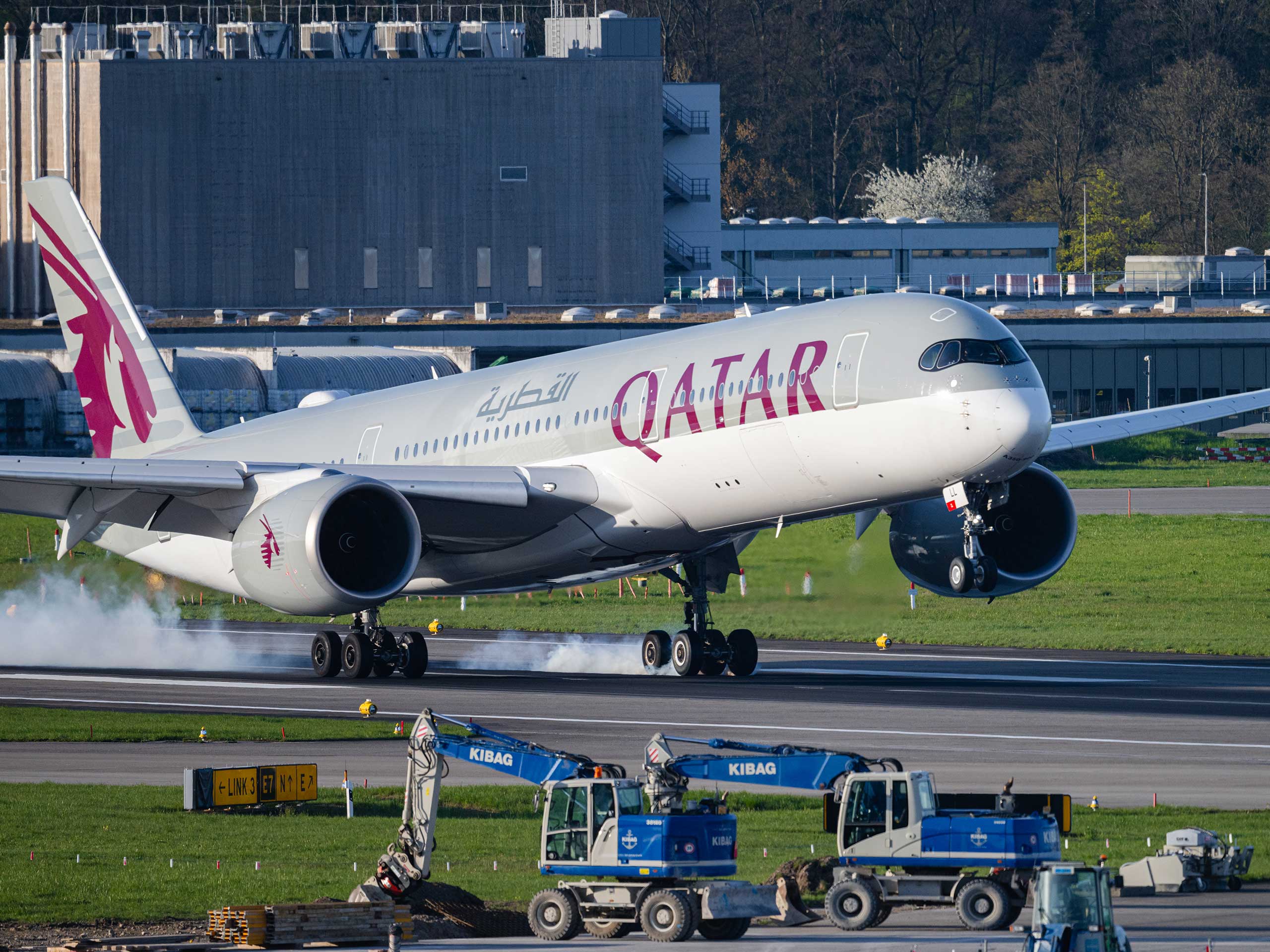
In the strict sense, aircraft noise is generated from the moment an aircraft begins its take off roll (i.e. the start of the acceleration phase) and ends after landing, once the aircraft has completed its deceleration on the runway. Everything that happens before or after this – such as engine run ups, taxiing on the apron, or baggage handling – counts as industrial and commercial noise.
Information on Noise Sources
Why are not all aircraft equally loud?
Not all aircraft, and not all flight movements, produce the same noise or are perceived as equally disturbing. This is due to several factors:
Engine noise as a major source during take off
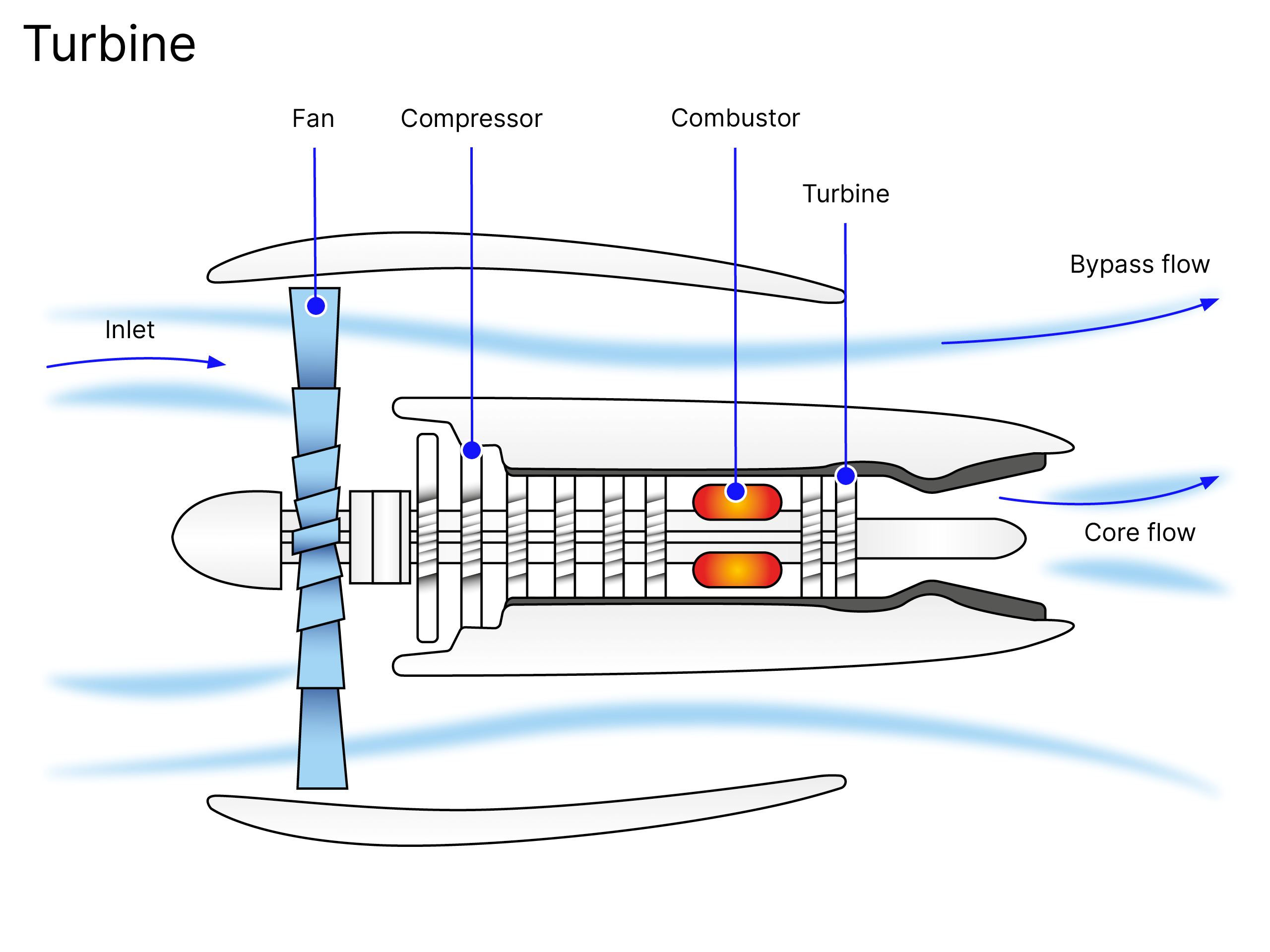
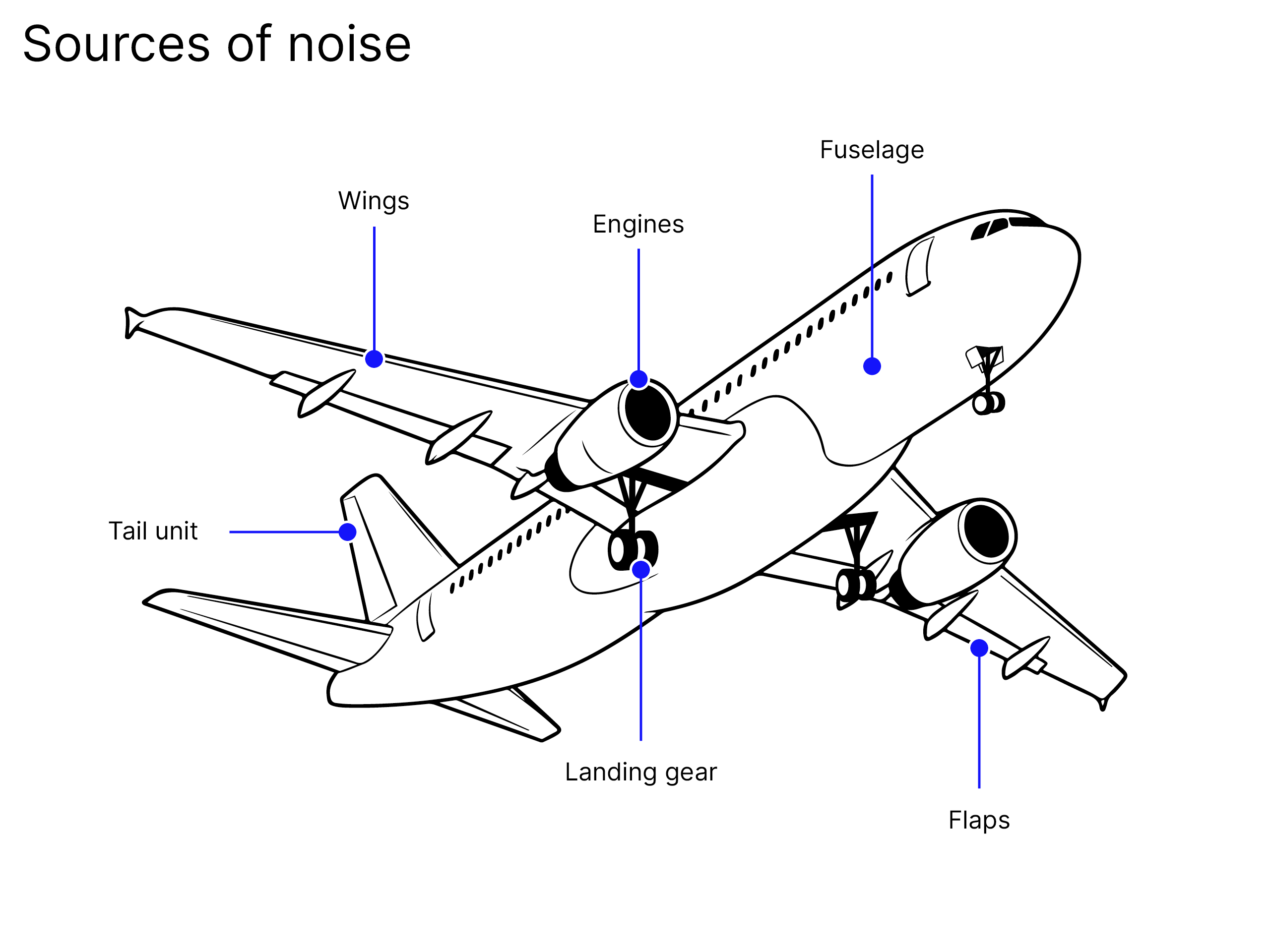
Aircraft engines are among the main noise sources during departure. Several types of noise are generated, for example:
- Fan noise: The sound of air being drawn through the engine fan. This noise is especially noticeable during taxiing and take off.
- Core noise: Noise produced by the mechanical and thermodynamic processes in the engine’s compressor and combustion chamber. It becomes more pronounced at high engine power.
- Jet noise: Noise created by the extremely fast exhaust jet leaving the engine. This is particularly loud during take off and the initial climb.
Noise from the aircraft body
The aircraft’s airframe also generates noise, for example through:
- Flaps and slats (high lift devices)
- Landing gear
- Airflow turbulence around the fuselage (airframe noise)
Tonal characteristics
Tonal noise can make an aircraft seem louder or more noticeable. Some aircraft generate tones at specific frequencies that stand out, for example, a high pitched whine that is perceived as particularly prominent or unpleasant.
What determines how loud an aircraft is?
Other noise sources at the airport
Do you have any questions?
The staff of the Aircraft Noise Hotline will be happy to help you.